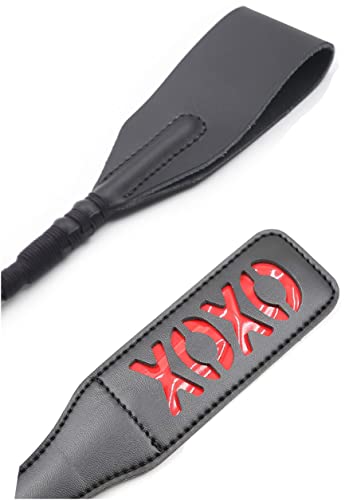
Understanding Whips in BDSM
In the context of BDSM femdom, a whip is not merely a tool of physicality; it embodies a complex interplay of psychological dynamics, power exchange, and consensual exploration of boundaries. Traditionally, whips have held a multifaceted presence throughout history, often associated with notions of authority, punishment, and sometimes even artistry. In contemporary BDSM practices, particularly within femdom relationships, the whip transforms into a symbol of dominance and submission, fostering an environment where trust and communication are paramount.
The cultural relevance of whips can be traced back to various societies where they have served both practical and ritualistic purposes. In cultures around the globe, whips have symbolized power dynamics, often portrayed in literature and art as instruments wielded by figures who command respect. In the modern context of BDSM, this historical significance is reinterpreted, allowing whips to express the nuances of sexual power arrangements, especially in relationships where the female partner takes on a dominant role.
On a psychological level, the use of whips in BDSM practices taps into deep-seated human emotions and dynamics. Engaging with a whip in a consensual setting can elicit feelings of surrender, pleasure, and catharsis for both the dominant and submissive partners. This practice requires a robust foundation of trust and emotional connection, as the act of wielding a whip transcends mere physical interaction. Without consent and mutual understanding, the experience can shift from being liberating to harmful. Therefore, clear communication and established boundaries are essential to ensure that both partners feel safe and respected.
Ultimately, the integration of a whip within BDSM femdom relationships serves as a profound tool for exploring power dynamics, creating a shared experience that encourages intimacy and vulnerability. By understanding these intricacies, participants can fully appreciate the art of whips in their dynamic.
Types of BDSM Whips
BDSM whips come in various forms, each designed with specific characteristics to enhance the experience of bondage and discipline. Understanding the different types of whips can help practitioners make informed choices based on preference, skill level, and intended use.

One of the most recognizable types of BDSM whips is the cat o’ nine tails. This whip is traditionally composed of nine intertwined leather straps, giving it a unique appearance and texture. The cat o’ nine tails is known for producing sharp, stinging sensations, making it suitable for those who appreciate a more intense experience. Its construction allows for a varying degree of control, permitting the user to adapt the force applied according to the submissive’s comfort level.
Floggers are another popular choice in the realm of BDSM. Typically constructed from a handle with multiple tails made from materials such as leather, fur, or rubber, floggers deliver a softer, thudded sensation compared to other whips. This versatility makes floggers suitable for beginners and experienced practitioners alike. Additionally, their various tail lengths and materials can produce different sensations, making them a favorite among many in the BDSM community.


Single-tail whips, often referred to as bullwhips, are characterized by a long, tapered design that enhances speed and precision in delivering strikes. This whip type is often associated with more experienced users due to the skill required to wield it effectively. Crafted from high-quality leather or synthetic materials, single-tail whips produce powerful impacts and may require a considerable amount of practice to master.
Lastly, bull whips are longer and offer more reach, making them ideal for those who enjoy the theatrical aspect of BDSM scenes. With a hefty handle and a long, flexible cracking tip, these whips can create stunning visuals while delivering sensations that can vary from gentle to intense.
Exploring these different types of BDSM whips allows individuals to find the perfect match for their desires and safety preferences, ensuring that each experience remains enjoyable and consensual.

How to Use a Whip in BDSM
Using a whip in BDSM requires both skill and care to ensure a safe and pleasurable experience for all involved. First and foremost, it is essential to establish a safe environment where communication and consent are prioritized. Begin by discussing boundaries, safe words, and comfort levels with your partner. Understanding these parameters will help create a trusting atmosphere.
Once the groundwork is laid, it’s crucial to adopt the right posture when using a whip. Stand with your feet shoulder-width apart, providing a stable base. Your knees should be slightly bent to allow for flexibility and movement. This stance not only enhances balance but also prepares your body for the dynamic motions involved in whipping.
Grip the whip firmly but not too tightly; the goal is to maintain control without causing yourself unnecessary tension. Hold the whip with one hand while using the other for support, ensuring that you have adequate leverage. As you begin to practice, focus on your wrist movement, as this is central to generating the necessary whip action. A flick of the wrist can create an impactful strike without excessive effort, reducing the risk of injury.
When delivering the whip, aim for the intended target area, typically the buttocks or thighs, depending on your partner’s comfort level. Start with gentle strikes to gauge your partner’s reaction, adjusting your technique as needed. If you’ve read any of our other Impact play Articles you’ll remember, different whips produce varying sensations—some may sting while others provide a thuddy impact. Experiment with different styles, always paying attention to your partner’s feedback.
Now all that’s left is for us to crack the whip! Don’t expect that all important technique to just happen. Practice makes perfect, so what are you waiting for? Here are our favourites;
Practice is paramount as we said above in mastering whip technique. Begin with solo sessions where you can familiarize yourself with the mechanics of the whip. Using a practice dummy or pillow can help in building confidence. Gradually, as you become more skilled, you can transition to live sessions with your partner, always prioritizing safety and consent. Developing proficiency with a whip not only enhances your BDSM experiences but also fosters a deeper connection with your partner.
Target Areas: Where Should I Hit?
In BDSM play, the art of whipping requires careful consideration of target areas to ensure both enjoyment and safety. The anatomy of pain and pleasure plays a crucial role in selecting the most appropriate locations for impact. Three primary target areas are commonly favored: the buttocks, thighs, and back.
The buttocks are perhaps the most popular area for whipping in BDSM. This region is generally well-padded and can handle significant impact without causing lasting damage. The sensation experienced on the buttocks can range from pleasurable thuds to sharper stings, depending on the intensity and type of whip used. Additionally, the gluteal muscles are resilient and can often absorb the force, making it a safe choice for both novice and experienced players. Moreover, the psychological aspect of punishment associated with this area can heighten the overall experience for both the Dominant and submissive.
Another effective target area is the thighs. The thighs are muscular and provide a satisfying surface for impact play while also offering a unique blend of both pain and pleasure. Hitting the inner thigh can elicit a more sensitive response, while the outer thigh can endure more force. In this region, it is particularly critical to remain aware of the potential for injury, as the proximity to major arteries and nerves can pose a risk. Clear communication with the submissive is essential to ensure that they are prepared for the sensations that may arise from hits in this area.
Finally, the back can serve as a viable target for whipping, especially across the upper and lower regions. Care must be taken to avoid the spine and kidneys, which are particularly vulnerable to injury. The back allows for a broader contact area and can enhance feelings of subspace when whipped lightly. As with any target area in BDSM, prior consent and open discussion regarding comfort levels and boundaries are fundamental to the practice. By evaluating these regions and understanding the anatomy of pain and pleasure, participants can enjoy a rewarding and safe whipping experience.

BDSM Whipping Safety
Ensuring safety during BDSM whipping is paramount to creating a secure and enjoyable experience for all participants. The first step in promoting safety is the establishment of clear communication before engaging in any activities. This includes having thorough pre-play discussions where participants can articulate their boundaries, motivations, and any physical or emotional limitations they may have. Understanding limits fosters a sense of trust, which is essential in BDSM practices.
The use of safe words is a critical aspect of BDSM whipping safety. Safe words provide a communication tool that allows participants to pause or stop activity instantly if they feel uncomfortable or unsafe. It is crucial to select a safe word that is easy to remember but unlikely to be confused with the other phrases used during play. For instance, some individuals choose words that are entirely unrelated to the activity, making them easily identifiable in a scene. Establishing a safe word prior to indulging in BDSM whipping practices reinforces the agreement between participants, ensuring that all parties are respected and cared for throughout their experience.
Moreover, aftercare should not be overlooked as it plays a vital role in promoting psychological and emotional safety post-session. Aftercare involves the attention given to one another immediately following a BDSM scene, addressing both physical and emotional needs. It provides opportunities for participants to reconnect, discuss their experiences, and provide comfort to each other. Aftercare activities can range from simple cuddling and hydration to engaging in open conversations about the scene’s impact, allowing participants to process their feelings effectively.
Lastly, an awareness of risks and the implementation of correct techniques while engaging in BDSM whipping are imperative to prevent injuries. Those involved should familiarize themselves with various whipping methods and their potential effects. This knowledge, combined with appropriate tools and practices, will significantly enhance both the pleasure and safety of the participants in the overall BDSM experience.
we care about you! That’s why we want you to take good care of your equipment. If you don’t it could result in inferior play, or indeed no play at all…. and we wouldn’t want that now, would we?
Whips can be cared for simply, with antibacterial soap and warm water. Never submerge your whip in water as it will absorb the moisture, possibly damaging the material and affecting its rigidity. Similarly, do dot drench in oil or treatments as this can have the same effect. For a quick clean, try using antibacterial toy cleaner or alcohol wipes.
Leather whips need a little extra TLC and should be conditioned regularly. A whip that is not treated will dry out and may lose strength. This could potentially lead to it being stretched out of shape. Many people choose to condition the fall more regularly than the rest of the whip as it endures a great deal of punishment, and unlike the popper/cracker it is not replaced at regular intervals. When conditioning your whip, avoid light oils as they can harbour bacteria, and we don’t want anyone picking up a nasty infection.
All whips require storage in a cool dry environment.
Melanoma and Skin Safety in SM Play
Engaging in BDSM femdom practices, particularly those involving whipping, necessitates a strong awareness of skin safety. A primary concern in this context is the risk of skin conditions, including melanoma. Melanoma, a serious form of skin cancer, primarily results from prolonged exposure to ultraviolet (UV) radiation, but can also be influenced by skin injuries or trauma. Hence, it is essential for participants to prioritize skin health throughout BDSM activities.
Before commencing any whipping session, proper skin preparation is crucial. Ideally, individuals should cleanse the skin thoroughly to remove any barriers, such as oils or lotions, that could contribute to irritation or infection. Exposing the skin in a controlled environment allows for better monitoring of any signs of adverse reactions, ensuring that both partners can communicate openly about sensations experienced during play. It is advisable to examine the skin for any abnormalities, such as moles that may have changed in size, shape, or color, which could indicate potential melanoma.
Furthermore, practicing safe whipping techniques is paramount. Utilizing appropriate equipment and ensuring the whip is in good condition can help reduce injury risk. Participants should opt for suitable areas of the body with thicker skin to minimize potential harm while understanding their partner’s limits and boundaries to further enhance skin safety.
Post-play care is equally important in the context of skin health. Following a session, participants should clean the skin gently and apply soothing lotions or aloe vera to aid recovery. Monitoring for any delayed reactions is advisable, as certain skin conditions may not present immediately. As with any BDSM practice, fostering a culture of health consciousness will result in a more enjoyable and safe experience, enabling participants to indulge in their desires while minimizing health risks associated with skin safety and conditions like melanoma.
Building Trust: The Emotional Aspect of BDSM Whipping
In the intricate world of BDSM whipping, especially within the context of femdom relationships, the emotional dynamics play a pivotal role in establishing and maintaining trust between partners. Trust is not merely an abstract concept; it is the foundation upon which the entire experience is built. It allows participants to engage deeply, exploring their boundaries while feeling secure in the knowledge that their partner respects and cares for them. This trust is developed through open communication, where both parties can express their desires, limits, and any concerns related to whip play. Establishing a safe environment where both partners can articulate their feelings ensures that whipping sessions can be both enjoyable and fulfilling.
Communication is essential for setting boundaries and for ongoing consent, which is a core principle within BDSM practices. The whip, while an instrument of pleasure and pain, can evoke various emotions ranging from excitement to vulnerability. It is crucial for the dominant partner to reassure their submissive counterpart continuously, fostering an atmosphere where emotional and physical safety are prioritized. The use of safe words can further enhance this trust, allowing for immediate pauses should any participant feel uncomfortable at any point during the session.
Moreover, the emotional release frequently sought from whipping can be transformative. For some, it could serve as a cathartic outlet, enabling them to process feelings that may be difficult to articulate otherwise. Understanding each other’s emotional landscapes encourages deeper intimacy and connection, amplifying the overall experience of whipping in BDSM. As participants reflect on their feelings and expectations before and after sessions, they can build an enduring partnership that thrives on trust and mutual understanding. Emotional investment in these practices is what distinguishes ordinary interactions from profound experiences, ultimately enhancing the bond shared between partners.
Common Misconceptions About Whips in BDSM
Within the realm of BDSM, particularly in femdom contexts, whips often evoke a plethora of misconceptions that can deter newcomers from exploring this thrilling aspect of the kink lifestyle. One of the most pervasive myths is that whips are solely instruments of extreme pain and suffering. While it is true that implements such as whips can induce sensations ranging from mild to intense, the experience is highly subjective and contingent upon the preferences and dynamics of the individuals involved. Importantly, a whip can also be used to enhance pleasure rather than solely induce pain, highlighting the nuanced nature of sensation play.
Another common fallacy is associated with consent. Some might believe that engaging with whips inherently implies a lack of consent or that once a session begins, consent is no longer a factor. In fact, consent is a cornerstone of BDSM practices, and this principle is paramount even when utilizing whips. All parties should engage in open communication about boundaries, limits, and desires beforehand, ensuring that the whip is used within a framework of mutual consent and respect. Establishing a safe word can also enhance trust and safety during sessions, thus enriching the overall experience.
Furthermore, there is often a misconception regarding the nature of domination itself. Many assume that dominance is solely about power and control associated with the use of whips, overshadowing the emotional and psychological dimensions of a femdom relationship. Effective domination involves a deep understanding of the submissive partner’s needs and desires, fostering an environment where both partners can explore their kinks safely and consensually. By addressing and debunking these misconceptions surrounding whip usage, individuals can cultivate a more informed and healthier approach to BDSM practices.
Resources for Learning More About BDSM Whipping
For those looking to delve deeper into the practice of BDSM whipping, there is a wealth of resources available catering to various learning styles, preferences, and levels of experience. Books remain one of the most accessible methods for gaining knowledge about BDSM practices, including whipping techniques. Titles such as “The New Topping Book” and “The New Bottoming Book” by Dossie Easton and Janet W. Hardy offer foundational insights into the dynamics of power exchange, safety protocols, and practical techniques. Additionally, books specifically focused on impact play, such as “SM 101: A Realistic Introduction” by Jay Wiseman, provide dedicated sections addressing the fundamental aspects of using whips and other implements safely and effectively.


The digital age has offered enthusiasts new platforms for education, with numerous websites dedicated to BDSM practices. Websites like CollarNcuffs.com instructional videos, forums, and articles written by experienced practitioners and educators. These platforms not only cover the basics of whipping but also explore advanced techniques for those looking to refine their skills. Moreover, many BDSM organizations and communities have developed comprehensive guidelines regarding safe practices and consent, which can be invaluable when exploring whipping as part of BDSM play.
Online courses serve as another excellent resource for individuals seeking structured learning. CollarNcuffs often feature courses on BDSM relevant to all skill levels, including specialized focus on whipping techniques. For a more hands-on approach, consider attending local workshops or festivals dedicated to BDSM. Fetlife often has these listed ; these events can offer practical demonstrations and provide opportunities for interaction with seasoned practitioners. Engaging with the community, either online or in person, fosters a respectful learning environment that enhances one’s understanding of BDSM whipping, promoting both safety and enjoyment in practice.