
The Importance of Non Verbal Safe Words in BDSM
In the realm of BDSM, particularly within femdom dynamics, safe words and non-verbal safewords play a crucial role in underpinning the psychological and emotional safety of all participants involved. These keywords or phrases empower individuals to communicate their limits effectively and assert their boundaries during play. While BDSM inherently involves power exchange, it is imperative to recognize that consent is not static; it is dynamic and can evolve throughout the experience. This evolution necessitates a mechanism for participants to express any discomfort or desire to pause, which is where safe words become indispensable.
Safe words serve to facilitate mutual trust and open communication, essential components in engaging in potentially vulnerable situations. The presence of a safe word allows participants to explore their boundaries with confidence, knowing they possess a tool to ensure their safety. This safety net is particularly valuable in femdom contexts, where one partner may assume a dominant role, and the other may experience intense emotional and psychological states. By establishing a clear safe word prior to engaging in any activities, both parties can navigate the complexities of BDSM with greater assurance. It encapsulates the foundational principle that the safety and comfort of each participant are paramount, regardless of the power dynamics at play.
The use of safe words also fosters a sense of community and support among practitioners of BDSM. By openly discussing and implementing safe words, participants contribute to an environment where awareness and respect for limits are prioritized. This practice enhances the overall experience, allowing for deeper exploration of desires while maintaining an atmosphere where all individuals feel valued and secure. In conclusion, the importance of safe words cannot be overstated; they are vital for ensuring safe, consensual, and enjoyable experiences in BDSM, particularly within femdom dynamics.
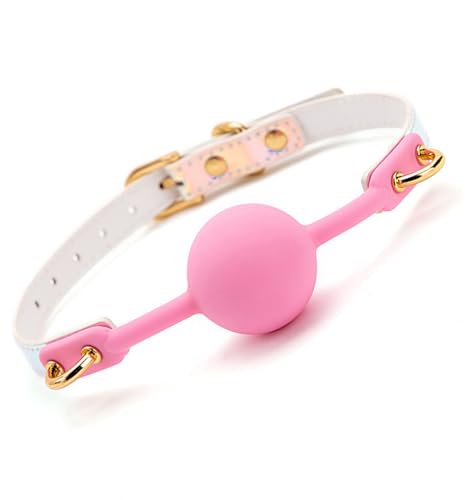
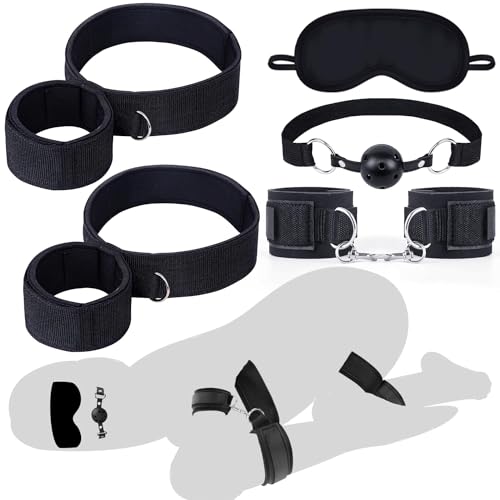
Understanding Non-Verbal Communication in BDSM
In the realm of BDSM, particularly within the context of femdom play, non-verbal communication plays a crucial role in ensuring safety and maintaining consent. Often, during intense scenes, the ability to speak may be compromised, making it imperative for partners to rely on non-verbal cues. This form of communication encompasses a wide array of signals, including gestures, sounds, and physical indicators, which can convey a multitude of feelings and desires.
Gestures are among the most common forms of non-verbal cues observed in BDSM interactions. These may include hand signs, nods, or even specific body movements that convey agreement or discomfort. For instance, a raised hand could signify the need to pause or stop, while a nod might indicate acquiescence to a particular action. Establishing a clear set of gestures prior to engaging in BDSM can be incredibly beneficial, as it creates a framework within which both partners can communicate effectively without the necessity of spoken language.
In addition to gestures, various sounds can serve as powerful non-verbal indicators. A simple moan or sigh might express pleasure, while a sharp intake of breath could indicate surprise or discomfort. Understanding these auditory signals allows partners to gauge each other’s emotional and physical states, leading to a more responsive and tailored experience. Furthermore, physical indicators such as tense body language or relaxed postures can provide insights into how one partner is feeling throughout a scene.
Recognizing and interpreting these non-verbal cues effectively is vital for maintaining a safe and consensual environment. It not only enhances the overall experience but also deepens the trust and connection between partners. Ultimately, establishing a shared understanding of non-verbal communication fosters a respectful atmosphere, allowing both participants to navigate their boundaries with confidence.
Creating Your Own Non-Verbal Safe Word System
Establishing a personalized non-verbal safe word system for femdom play is an essential step in ensuring safety and clear communication between partners. The following guide outlines a thorough approach to developing such a system tailored to the unique dynamics of your interactions.
The first step involves selecting distinct gestures that can convey a range of messages. These might include hand signals, finger gestures, or specific body movements. For example, a raised hand could signify a pause, while a closed fist might indicate the need to stop immediately. It is crucial that both parties agree on these signals to prevent any misunderstandings during a scene.
In addition to gestures, incorporating sound cues can enhance your non-verbal communication. Choosing sounds such as a specific whistle or a clapping pattern can serve as an effective alternative to traditional safe words. For instance, two quick claps might be designated to express discomfort, while a single whistle could indicate a need for a break. Encouraging creativity in selecting these sounds is vital, as they should resonate with both participants and be easily remembered during play.
Object signals can also be utilized to diversify the non-verbal safe word system. Partners can choose a particular item within the play area that signals a need to pause or stop. This might include a rubber duck, a brightly colored scarf, or any easily accessible object. The use of such items can be especially helpful in scenes where vocal communication is inhibited.
Lastly, it is important to maintain mutual agreement on the chosen cues, allowing for spontaneous alterations as required. Establishing regular check-ins or discussions about the effectiveness of the non-verbal safe word system will further enhance safety. By nurturing an adaptable system, both partners can engage in femdom play with the assurance that they are protected and understood.
Practicing and Implementing Your Non-Verbal Safe Words
When engaging in BDSM scenes, effectively practicing and implementing non-verbal safe words is essential for ensuring the safety and comfort of all participants. Start by introducing these cues during routine activities or low-stakes scenarios. For example, practice using gestures such as a raised hand or a specific finger movement when communicating discomfort or distress. This will help participants become familiar with the non-verbal cues in a relaxed environment, making it easier to employ them during more intense moments.
Role-playing exercises can also be beneficial. Set up scenarios that incorporate the established non-verbal safe words, simulating various levels of intensity and dynamics. During these exercises, check in with each other to ensure that the cues are being recognized and respected. This process creates an opportunity to refine the understanding of non-verbal communication, enabling both partners to feel confident in recognizing and responding to these signals during actual scenes.
Challenges may arise, such as one partner not noticing a non-verbal cue being used. To address this, ensure that both individuals agree on specific parameters for the non-verbal communication strategy. Discuss alternatives or backup gestures that can be utilized if the primary cue goes unnoticed. Continual communication between partners is paramount—after every scene, reflect on how the non-verbal safe words functioned. Were they effective? Did they enhance safety and comfort? Were there any moments of misunderstanding?
By regularly evaluating and discussing the effectiveness of your non-verbal safe word system, you foster a learning environment that reinforces trust and respect. This continuous dialogue allows both participants to feel heard, ultimately enhancing the overall experience of the BDSM play. The path to deepening trust and communication is crucial for creating a fulfilling and safe exploration in a Femdom context.
My Personal Journey: Learning from My Mistakes
When I first ventured into the world of femdom, I was full of excitement but also incredibly naive. Looking back, I can’t help but chuckle at my ‘green’ self who thought I could easily read the signs of distress from my submissive while they were bound and gagged. I truly believed that love and trust would be enough to ensure their safety. Little did I know how wrong I was.
The Dangers of Assumptions
One of my biggest mistakes was not establishing a non-verbal safe word. It sounds simple, yet when you’re caught up in the heat of the moment, it can be easy to overlook safety protocols. Moments of vulnerability can make it hard to notice if something is wrong, and without a clear method for communication, things could spiral out of control very quickly. I realized that not having this system could have ended in disaster. He was gasping air and not getting any! I assumed it was my fancy moves on his body parts that making wriggle like that.
Implementing Safe Words
Now, I can’t stress enough how vital it is to establish a non-verbal safe word before engaging in any sort of bondage or BDSM activity. It can be something as simple as tapping your hand three times or even a signal like holding a specific object. This ensures that no matter the situation, your submissive has a way to indicate they need to stop. Remember, prioritizing safety maintains trust and enjoyment for both parties involved.
So, heed my warnings and learn from my mistakes, that could of easily cost a life that day. Establish a non-verbal safe word; it can make all the difference in creating a safe and enjoyable environment for your BDSM experiences!
Some couples may feel that they do not need a safeword or a non-verbal safeword, depending on the practices involved, since the role of a safeword is filled by usual forms of communication. Less commonly, some couples may agree to abandon the use of safe words including the ability to withdraw consent altogether, especially those that practice forms of edgeplay or those in Master/slave relationships. In such cases, the choice to give up the use of safe words is a consensual act on the part of the bottom or submissive. This practice is usually called consensual non-consent and often considered controversial