
Understanding BDSM Spanking

BDSM spanking is a multifaceted practice that encompasses the controlled infliction of pain through slapping, striking, or hitting the buttocks using hands, paddles, whips, or other implements. This practice is rooted in a rich history, which derives from various cultural traditions, religious teachings, and societal norms surrounding sexuality. Throughout time, spanking has been viewed through different lenses, influencing its acceptance and integration into modern sexual practices.
In the BDSM community, spanking is not merely about the physical sensation but also involves psychological elements, promoting trust, intimacy, and communication between consenting partners. It is considered a kink, a term used to describe non-conventional sexual activities that fall outside mainstream practices. Participants engage in what is known as “consensual play,” which means that both parties have agreed to the activity and understand its boundaries and risks. This mutual agreement is integral to the ethics of BDSM, ensuring safety and respect for each other’s limits.
The connection between pleasure and pain in BDSM spanking lies at the heart of the experience. For many, the release of endorphins during spanking can produce euphoric sensations, creating a compelling contrast to the initial discomfort. The act of spanking can thus serve various emotional needs, including stress relief, heightened arousal, and deepened intimacy. Historically, spanking has transformed significantly, and its role within the broader spectrum of BDSM has evolved. Explore the various techniques, safety precautions, and communication strategies that enhance the experience, allowing enthusiasts to enjoy this unique interplay of consensual pleasure and pain.
Why Do People Like Spanking?
The allure of spanking is multifaceted, intertwining psychological, emotional, and physical elements that contribute to a unique blend of pleasure and pain. Many individuals are drawn to spanking due to the thrill associated with power exchange. In consensual BDSM scenarios, the dominant partner often assumes control, while the submissive partner embraces vulnerability. This dynamic can heighten arousal, creating a sense of intimacy that transcends conventional sexual experiences. The exchange of power can not only act as a catalyst for excitement but also foster trust and connection between partners.
Furthermore, the act of spanking triggers physiological responses in the body, including the release of endorphins. These natural chemicals can lead to feelings of euphoria, often described as a ‘high’ experienced post-spanking. As the body reacts to the sensations of pain, it can paradoxically produce pleasurable feelings, leading to what is often referred to as the ‘spanking paradox.’ This complex interplay between pleasure and discomfort highlights the uniqueness of BDSM practices, where boundaries and sensations are explored with mutual consent.
Personal anecdotes illustrate the reasons for the attraction to spanking. For some, it is the anticipation that builds before the act, amplifying desire and turning it into an event that is both thrilling and memorable. Others find a sense of liberation in the experience, as it allows them to step outside societal norms and embrace their desires unapologetically. Spanking can also serve as a method of stress relief, offering an outlet for pent-up emotions that might be difficult to express otherwise. These varied perspectives and experiences underscore the complexity behind why individuals may gravitate towards spanking, revealing it as not merely an act of physical contact but as a deeply personal exploration of pleasure and pain in the realms of BDSM.
Communication and Negotiation: The Key to Safe Play
Effective communication serves as the cornerstone of any successful BDSM practice, particularly in scenarios involving spanking. Engaging in this nuanced exploration of pleasure and pain demands a clear understanding of boundaries, desires, and, most importantly, consent. Prior to indulging in such activities, it is essential for partners to engage in pre-scene negotiations, wherein they openly discuss their expectations and limits. This dialogue allows individuals to articulate their interests, ensuring that both parties are on the same page and ready to embark on their shared journey.
Establishing safewords should be a fundamental aspect of this negotiation process. A safeword provides a predetermined signal that either partner can use to indicate the need to stop or modify the activity. This system serves as a practical means of ensuring that both participants maintain control throughout the experience, fostering a sense of safety. Commonly, participants choose memorable words or phrases that stand out from the context of the scene; thus, a clear understanding of what the safeword signifies is vital for its effective application.
Communication does not conclude with the pre-scene discussions; rather, it is an ongoing dialogue throughout the entire BDSM experience. Regular check-ins during the session allow partners to assess each other’s comfort levels and respond to any shifts in feelings or needs. By maintaining an open line of communication, individuals can navigate their dynamic more effectively, enhancing trust and emotional safety. This ongoing engagement helps ensure that exceptions or adjustments to boundaries can be made swiftly if necessary, ultimately contributing to a positive and fulfilling BDSM encounter. Proper communication and negotiation set the stage for an enjoyable and consensual experience, allowing the art of spanking to be explored safely and respectfully.
Spanking Techniques: Finding What Works for You
Spanking, as an integral part of BDSM, involves a variety of techniques that cater to individual preferences and comfort levels. Understanding these techniques can enhance the experience of both the dominant and the submissive partner. It is essential to explore different implements and methods to find what resonates with you and your partner.
One of the most basic forms of spanking is the use of hands. This method allows for a direct connection between partners, making it easy to gauge the intensity and response of the recipient. Light spanking can stimulate the skin without causing pain, making it suitable for warming up or teasing. Conversely, hard spanking delivers a more intense sensation, which some may find pleasurable. It’s advisable to communicate openly about preferences and limits, ensuring that both parties are comfortable with the chosen level of intensity.
Paddles are another popular tool in BDSM spanking. They range from soft and flexible to rigid and impactful, providing a wide array of sensations. A soft paddle can offer a delightful mix of pleasure and pain, while a more rigid option can deliver a sharp sting. Additionally, other implements like floggers, crops, or even household items can be employed creatively, each contributing unique sensations that can be explored.
Incorporating rhythm into spanking can significantly enhance the experience. Alternating between fast and slow strokes creates a dynamic sensation that can heighten arousal. Experimenting with teasing techniques, such as lightly touching the skin before delivering a spanking, can build anticipation and amplify pleasure.
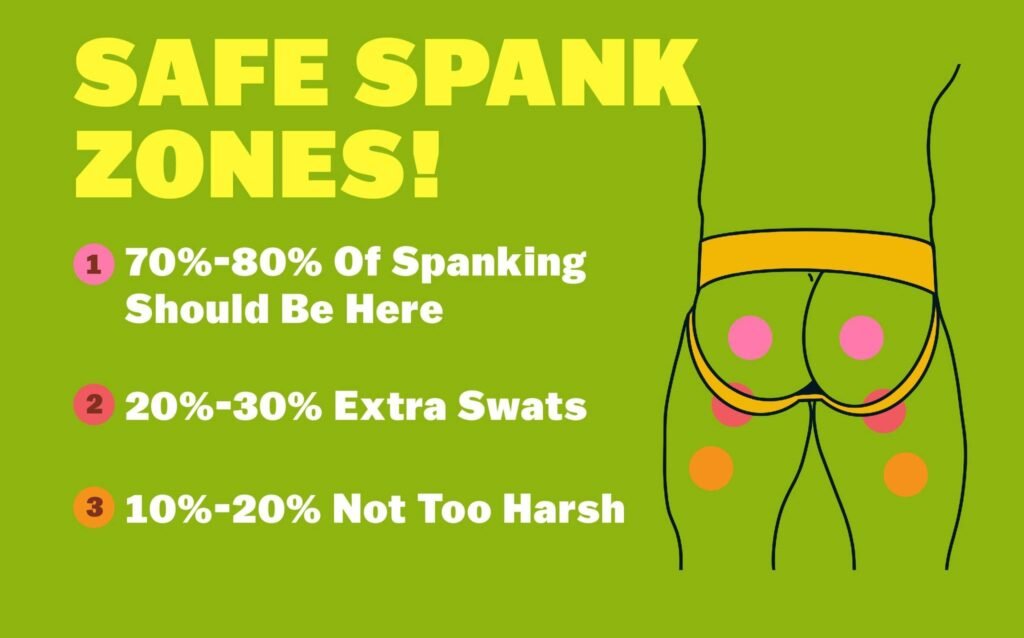
Safety must remain a priority while engaging in any form of BDSM. It is crucial to target fleshy areas, such as the buttocks, to minimize the risk of injury. Practitioners should avoid striking bony areas or places where serious injury could occur. Establishing a safe word can provide an essential means of communication, ensuring a safe and enjoyable experience for both partners. By experimenting with different techniques and maintaining open lines of communication, individuals can discover the best approaches to spanking that suit their dynamic.
Spanking Positions: Exploring Comfort and Access
When engaging in BDSM spanking, the choice of position plays a pivotal role in enhancing the experience for both the spanker and the spankee. Spanking positions can vary widely, ranging from traditional stances to more creative arrangements, allowing individuals to explore different dynamics of pleasure and pain within a safe environment. One of the most recognized positions is the classic over-the-knee (OTK) setup, where the spankee lies across the spanker’s lap. This posture not only allows for optimal access to the target areas but also fosters a sense of intimacy and control, heightening the overall experience.
In addition to OTK, there are numerous other positions worth considering. For instance, the standing position sees the spankee in an upright stance, permitting the spanker to deliver strikes with added intensity. This arrangement can be particularly effective for those who find enjoyment in more vigorous forms of punishment. Alternatively, a bent-over position— where the spankee leans on furniture or a bed— can also provide access while allowing for varied heights and angles, based on personal comfort and preference.
It’s crucial, however, to prioritize comfort and safety when selecting a position for spanking. Communicating openly with one’s partner regarding preferences and limits is essential. Every individual has unique physical traits and thresholds for pain, which should be taken into account. In this realm of exploration, finding positions that suit both partners can lead to a more fulfilling and enjoyable experience. Experimenting with various setups can contribute to discovering what garners the best emotional and physical responses, ensuring that BDSM spanking is consensual and pleasurable for all involved.
Safety First: Ensuring a Positive Experience
Engaging in BDSM activities, particularly spanking, necessitates the utmost attention to safety and consent. To ensure that both participants have a positive experience, it is vital to focus on several key safety practices. One essential aspect is to engage in proper warm-up techniques. Warming up the body prepares the recipient for the impending sensations of spanking, gradually acclimating them to the rhythm and intensity. This can include light taps, gentle slapping, or a variety of massage methods aimed at increasing blood circulation and mentally preparing the receiver.
Understanding the anatomy and safe zones on the body is equally crucial in the BDSM framework. The fleshy part of the buttocks is typically a safe area for spanking, as it can absorb impact without causing harm. Conversely, areas such as the lower back, neck, and kidneys should be avoided to reduce the potential for injury. Participants should establish clear boundaries regarding which areas are off-limits. Communication between partners is paramount, allowing for ongoing checks and reassurances throughout the activity. Establishing a safeword or signal is advisable, providing a quick method for either participant to halt the session should discomfort arise.
Aftercare plays a significant role in the overall BDSM experience, serving as a period for both partners to reconnect and process the sensations felt during the scene. This practice encompasses a range of activities, from physical care, such as applying soothing lotions to the skin, to emotional support that ensures both partners feel valued and maintained after session completion. Effective aftercare can significantly enhance emotional well-being and strengthen trust in the relationship. Therefore, prioritizing safety through proper communication and aftercare not only enriches the experience but also fosters healthier, more responsible participation in BDSM practices.
Aftercare: The Importance of Post-Scene Connection
Aftercare is a critical component in the realm of BDSM, serving as the bridge that nurtures the connection between partners following an intense scene. This practice not only emphasizes the physical aspect of recovery, but it also addresses the emotional needs that arise after exploring dynamics of pleasure and pain. Engaging in aftercare allows for reflection and reinforces the trust built during the scene, making it an essential part of any BDSM experience.
Following a spanking session, individuals often experience a range of emotions, ranging from exhilaration to vulnerability. Proper aftercare can involve various activities aimed at re-establishing comfort and security. Partners might consider offering physical comfort measures, such as providing warm blankets, hydrating drinks, or soothing lotions for any areas that received attention during the scene. Physical touch, in the form of cuddling, holding hands, or gentle caresses can also be highly soothing and promote a sense of safety.
In addition to addressing the physical needs, emotional support is pivotal in the aftermath of BDSM play. Engaging in heart-to-heart conversations can allow partners to process their experiences together. Discussing what each person enjoyed or perhaps did not enjoy helps in refining future scenes, thus fostering a deeper understanding of each other’s boundaries and desires. This ongoing dialogue enhances intimacy and cultivates a resilient bond built on trust and respect.
Furthermore, the significance of aftercare in BDSM cannot be understated, as it establishes an essential post-scene connection that reinforces emotional stability and aids in integrating the experience. Prioritizing aftercare paves the way for a more fulfilling BDSM relationship, ensuring both partners feel valued and secure. Ultimately, embracing aftercare practices illustrates the commitment to not only the physicality of BDSM but also the meaningful relationships it can create.
Common Misconceptions About BDSM Spanking
BDSM spanking, while increasingly recognized in today’s society, continues to be surrounded by a myriad of misconceptions. One prevalent myth is the notion that participants in BDSM activities do not engage in informed consent. In reality, consent is the cornerstone of all BDSM practices, including spanking. It is essential for all involved parties to communicate openly about their boundaries, desires, and limitations prior to engaging in any form of BDSM play. This ensures that everyone is comfortable and willing to participate, distinguishing BDSM dynamics from abusive situations.
Another common misunderstanding is that BDSM is inherently abusive. This belief can stem from sensationalized portrayals in media, where acts of spanking are often depicted without context or regard for mutual enjoyment. However, in a healthy BDSM relationship, there exists a profound emphasis on trust and respect among partners. The relationship dynamics are consensual, meaning the enjoyment of activities such as spanking is based on mutual agreement rather than coercion or harm. It is essential to recognize that BDSM practices serve as a form of sexual expression, where pain can sometimes transform into pleasure through the context of trust.
Stereotypes regarding participants in the BDSM community also contribute to misconceptions. Many believe that those who engage in BDSM practices are psychologically troubled or aggressive, which is not substantiated by research. In fact, individuals who participate in BDSM often exhibit high levels of emotional intelligence and communication skills. They approach their sexual expression with awareness, finding joy and connection through the exploration of power dynamics and physical sensations. Education on these topics can lead to a more nuanced understanding of BDSM spanking, breaking down stereotypes and fostering acceptance of diverse sexual practices, ultimately enriching discussions about pleasure and pain.
Resources for Further BDSM Spanking Exploration
The exploration of BDSM and, more specifically, the art of spanking can be both enlightening and complex. For those who wish to deepen their understanding and practice of BDSM, numerous resources are available. These include books that offer in-depth discussions, websites that provide educational content, workshops geared towards hands-on learning, and local community groups that foster supportive environments for individuals interested in alternative lifestyles.
Books such as “The New Topping Book” and “The New Bottoming Book,” both by Dossie Easton and Janet W. Hardy, provide foundational insights into the dynamics of power exchange and the principles of effective communication. These texts can serve as excellent starting points for both novices and seasoned practitioners alike.

In addition to literature, the internet hosts a wealth of information. Websites such as CollarNcuffs.com and BDSM.com provide platforms for individuals to connect, share experiences, and gain access to a multitude of articles and discussions about BDSM practices. Furthermore, reputable educational sites often feature a range of resources, including video tutorials and articles written by experienced practitioners. These platforms can be invaluable for those seeking advice and tips on safe practices in BDSM.
Workshops and classes also play an essential role in advancing knowledge in BDSM. Local BDSM groups frequently hold events that include skill-building sessions, consent workshops, and discussions on safety protocols. Engaging with these groups can offer personal guidance and community support, enhancing one’s experience and understanding of spanking within the broader BDSM context.
Through these various resources—books, online platforms, workshops, and community groups—individuals interested in BDSM and spanking can cultivate informed and safe practices while exploring the diverse dimensions of their desires.