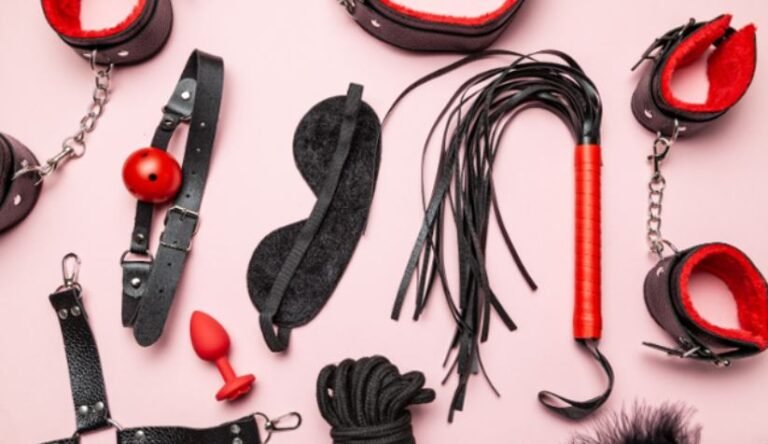
Before you spend a lot of money on any type of Bondage rope, it’s a good idea to explore a little and figure out the style of rope work you want to pursue and the preferences you might have. Which means, it’s best to try out lots of different kinds of rope when possible … usually by finding people who will let you check out the ropes they use!
Introduction to Bondage Rope
Bondage rope is a crucial component in BDSM practices, serving both functional and aesthetic purposes. Within the realm of bondage, this specific type of rope is designed for tying up, restraining, or supporting a partner, allowing practitioners to explore power dynamics and sensory experiences safely and consensually. The significance of bondage rope extends beyond mere physical restraint; it embodies trust, communication, and mutual respect between partners. As such, selecting the appropriate type of bondage rope is essential for both safety and enjoyment.
In BDSM, various techniques and styles can be employed, ranging from simple ties to intricate shibari patterns originating from Japanese art forms. Each approach requires specific rope characteristics to ensure comfort, safety, and effectiveness. Understanding the various types of bondage ropes available in the market, as well as their materials and uses, enables individuals to choose the most suitable options for their desired experiences. Factors such as rope thickness, material, and stretchiness can significantly influence the overall experience and outcomes of bondage activities.
The choice of bondage rope is not merely a mundane task; it is a critical step in preparing for a session. Opting for the wrong type may lead to discomfort, injury, or unsatisfactory experiences. Therefore, it is important to consider the individual preferences and requirements of those involved in bondage. By examining the range of bondage rope types, practitioners can gain insights into effective and safe bondage techniques. This guide aims to provide a comprehensive understanding of bondage rope, setting the stage for deeper exploration into materials, types, and their practical applications in various bondage scenarios.
Types of Bondage Rope
When exploring the world of bondage, choosing the right rope is crucial for both safety and enjoyment. There are three primary categories of bondage rope: natural fiber ropes, synthetic ropes, and specialty ropes. Each type showcases unique characteristics that cater to different needs and preferences.
Natural Fiber Ropes
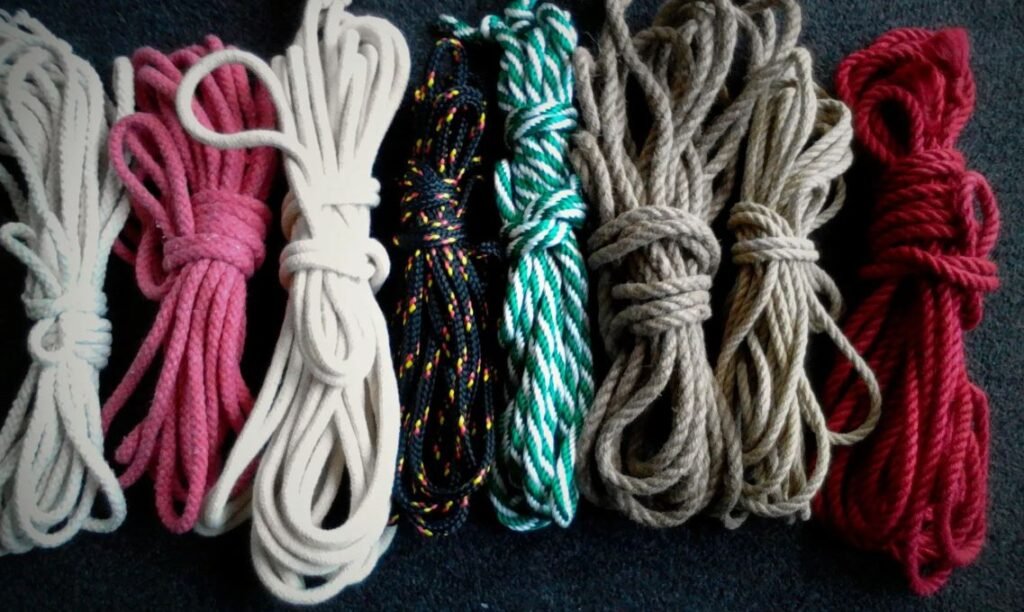
Natural fiber ropes have emerged as a popular choice in the realm of bondage, primarily due to their unique attributes and aesthetic appeal. Among the various natural fibers, hemp and jute are two prevalent options that enthusiasts often consider. These materials have characteristics that cater to both functionality and comfort, making them favorable for bondage applications.
Hemp rope, known for its durability and strength, is a standout option in the bondage community. It provides excellent grip, allowing for secure ties that are both firm and safe. Additionally, hemp has a natural breathability that promotes skin health, essential during prolonged bondage sessions. Its rough texture can enhance the sensory experience; however, this may also pose a risk of skin irritation for some individuals, particularly those with sensitive skin.
On the other hand, jute rope is lighter and softer compared to hemp, which makes it more comfortable for prolonged use against the skin. Jute’s aesthetic qualities—a fine, natural look—also appeal to many users who appreciate the visual aspect of bondage. However, jute may not be as durable as hemp, which raises concerns about its long-term viability in bondage scenarios. Over time, jute can degrade, especially when exposed to moisture or excess friction.
Choosing between hemp and jute often depends on personal preference and specific bondage practices. Hemp rope tends to be favored for its robustness and longevity, while jute may be selected for its comfort and aesthetic qualities. In considering these factors, users should also reflect on possible skin reactions and how the rope’s lifespan may impact their bondage experiences. Ultimately, understanding the properties of natural fiber ropes contributes to a safer and more enjoyable bondage experience.
My personal thoughts Hemp rope – Hemp rope is typically heavier in weight than jute. (Which is good from a Domme perspective in that it weighs down your submissive, making them feel more seriously captured than lighter jute rope in my perspective.) When you first get it – it can be a little coarse in texture, but becomes very soft once worn in. It’s much kinder on the skin than jute though, even brand new.
Lifestylers tend to use hemp rope more in my experience than ropes bondage artists tend to. It smells fabulous. For myself I like actually like the heavier weight, as my bondage isn’t necessarily about being light and quick and fluid, but actually the psychological impact of kind of imprisoning our subject in bondage.
I like that hemp can be thrown into the wash (and even the dryer). Although warning it will weaken the fibre with each wash and even more so throwing it into the dryer, so eventually you’ll need to throw it away. I recommend hanging it up to dry in order to prolong its life. I don’t recommend you use natural hemp for suspension. The irregular fibre texture will in fact weaken with washing repeatedly so I wouldn’t want to be relying on it for suspension / load-bearing bondage.
Synthetic Ropes
Synthetic ropes, including nylon and polyester, have become increasingly popular in various applications, including bondage. These materials boast several advantages that make them a preferred choice among practitioners. One of the primary benefits of synthetic ropes is their impressive durability. Both nylon and polyester exhibit high tensile strength, enabling them to endure significant stress without fraying or breaking. This durability is crucial in bondage scenarios where safety is paramount.
Another appealing feature is the ease of cleaning associated with synthetic ropes. Unlike natural fibers that may absorb moisture and odors, synthetic materials are resistant to such issues. As a result, they can be washed or sanitized without significant degradation in quality. This cleanliness factor contributes to a more hygienic bondage experience, especially when multiple uses are involved.
Flexibility is also a hallmark of synthetic ropes, allowing for a variety of tying techniques and patterns. This adaptability can enhance the overall experience, ensuring that the rope can conform to the body comfortably while maintaining restraint. This characteristic lends itself well to practicing various bondage styles, whether it be for recreational play or artistic expression.

Despite their many advantages, synthetic ropes do present some potential drawbacks. For example, they may have a smoother surface, which can result in reduced grip when compared to natural fiber alternatives. Consequently, users should be cautious and ensure that knots are secure to prevent any accidental slips. Additionally, the comfort factor may vary; while some individuals find synthetic ropes comfortable against the skin, others may experience discomfort due to the material’s texture.
To safely use synthetic ropes in bondage scenarios, it is advisable to follow a few best practices. Always check the condition of the rope before use to avoid the risk of breakage. Employ knots that forego tightness without compromising security, ensuring that the bound individual can comfortably respond to instructions. By adhering to these guidelines, one can enjoy the versatility and durability of synthetic ropes while prioritizing safety and comfort.
My personal thoughts: It’s very light, very smooth, very fast. I could whip this around someone’s wrists into a column tie in nothing flat, with little to no fear of friction burn.
The knots made by this rope compact down quite small; however, it tends to remain relatively easy to unpick. Again, this is related to the lack of friction. This is pretty cool because you don’t get bulky, unsightly looking knots. I always tend to pull the core out prior to use. I also love the colors it comes in (coughs shut up, Black is a color) its also relatively cheap.
Specialty Ropes for Bondage
Specialty ropes designed for bondage purposes serve unique functions that cater to various preferences and scenarios within this practice. Two prominent types of specialty ropes are elastic ropes and decorative ropes. Each type has its own advantages and disadvantages, making them suitable for different bondage activities.
Elastic ropes, commonly made from materials like spandex blended with traditional fibers, offer a stretchy quality that allows for dynamic movement during bondage play. This elasticity is particularly beneficial in scenarios that involve physical activity, as it provides an element of give that enhances comfort without compromising security. However, the downside is that the stretch may also compromise the level of restraint, making them less effective for more stringent bondage situations. These ropes are ideal for playful scenarios where freedom of movement is encouraged, such as in role-playing or light bondage settings.
On the other end of the spectrum, decorative ropes are not only aesthetically pleasing but also functional. Often crafted from brightly colored materials or featuring intricate designs, these ropes can add a visual appeal to bondage scenes. They might be made of cotton, silk, or synthetic fibers that provide a balance between sturdiness and softness. While they are perfect for decorative purposes and can serve as an element of design in a scene, they may not offer the same level of durability and security as traditional bondage ropes. Therefore, their use is best suited for occasions where the aesthetic value is prioritized over the practicality of restraint.
Choosing specialty ropes ultimately depends on the specific context of use, the desired experience, and the level of restraint needed. Whether opting for elastic ropes to enhance mobility or decorative ropes to elevate the visual appeal of a session, it is essential to consider their unique characteristics before incorporating them into bondage play. Each choice can significantly influence the atmosphere and dynamics of your intimate encounters, making informed decisions crucial for enjoyable experiences.
Choosing the Best Rope for Bondage
When it comes to bondage, selecting the right rope is crucial for both safety and enjoyment. The first aspect to consider is the type of bondage you intend to practice. For instance, decorative tie enthusiasts might prefer softer, more flexible ropes that can form intricate knots, while those focusing on suspension might require stronger, more durable options. Understanding the purpose of your sessions will help narrow down your choices significantly.
The comfort of all participants is another pivotal factor. Different materials provide various sensations and levels of comfort against the skin. Natural fibers like cotton or hemp tend to be more forgiving and comfortable for prolonged wear, while synthetic options like nylon may offer more durability but could also potentially lead to friction burns if used improperly. Testing different materials on various skin types can help in making an informed decision.
Specific preferences are yet another consideration. Some individuals may prefer ropes that are treated with special coatings, which can enhance their performance or aesthetic appeal. Additionally, individuals with allergies or sensitivities ought to carefully examine the materials to avoid any adverse reactions. When starting out, beginners might want to consider a standard cotton rope, typically around 6-8mm in thickness. This type is forgiving, easy to work with, and often quite affordable.
Moreover, it is beneficial to trial different ropes during practice sessions. Experimenting with various knots and techniques can also inform your final choice. Ropes come in different lengths and thicknesses, and finding the right fit that accommodates your preferred styles of bondage will enhance your experience. Ultimately, the right rope should reflect both safety and pleasure, ensuring an enjoyable experience for everyone involved.
Potential Drawbacks of Common Rope Types
While bondage rope can enhance the experience of restraint and creative expression, it is essential to consider the potential drawbacks associated with various types of ropes commonly used in this context. Each material presents its own set of challenges, and understanding these can lead to safer and more satisfying experiences.
One of the most popular rope types is natural fiber, such as cotton or jute. Although they provide a soft feel and good grip, they can also pose safety issues if not handled properly. Natural fibers can be rough and may irritate the skin, especially during prolonged use. Additionally, because they are organic materials, they are susceptible to wear over time, which means they may require more frequent replacement than synthetic ropes. This need for maintenance can be a drawback for those who prefer low-maintenance options.
Synthetic ropes, like nylon or polypropylene, are another common choice in bondage practices. Though they are durable and resistant to rotting, they can create a substantial risk if not utilized correctly. Synthetic materials are often slick, which may lead to slippage during a scene and can potentially cause injury to the restrained individual. Furthermore, while they are easier to clean, they may not provide the desired level of breathability, which could result in discomfort over time.
There is also the consideration of elasticity. Many synthetic ropes have a degree of stretch, which can significantly alter the dynamics of restraint. This stretch can lead to an unpredictable binding experience, making it essential to choose a rope that matches the level of control desired during use. While every type of rope brings its unique qualities to the practice of bondage, awareness of their potential drawbacks is crucial for safe and enjoyable experiences.

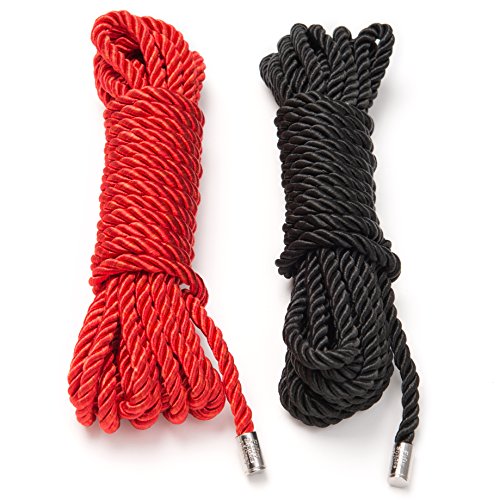
- Durable and strong
- 16 feet in length
- From the fifty shades of grey line
- Country of Origin: United States


- 4 Colors Cotton Cord Kit: Each package comes with 4 rolls 8mm cotton ropes in 4 different color (black, red, pink, purpl…
- Long Enough: Each color is 10M 9.4inch, which can be cut to different lengths according to your needs
- Reusable to Use: These ropes are composed of natural cotton and are both sturdy and reusable. The length may be modified…
- Material: These bandage ropes are made of cotton as raw material, the cotton rope will turn into an ash after being fire…
- Wide applications: These multipurpose cotton macrame cords are ideal for hanging photos, plant hangers, clothes hangers,…
What to buy first …
While you’re figuring out the kind of rope that’s best for you to invest in, you can also buy some cheap rope just to start learning. Most hardware stores have a decent variety for not much money. Try to get something flexible and not too thick … 4-6mm (about 1/4″) and between 25 – 30 feet in length (if you can afford buy double if already know you love rope). We actually recommend cotton clothesline for your first purchase: it’s cheap and easy to work with. (Note that you can often buy 50 ft. pieces that you can cut in half and get two ropes from!) You can start learning some basic knots and cuffs with that until you’re ready to make the harder decisions.
Most people are able to perform the majority of bondage rope ties using:
- 2 short ropes 15 ft long 6mm thick
- 2 long ropes 30 ft long 6mm thick
As you progress in your journey, you will be adding ropes of different lengths, thicknesses, and materials. That said, a 2 or4-rope kit is a good place to start as it will allow you to tie both beginner and advanced ties.
bondage rope lengths range from 10ft all the way to 30ft or more. During a bondage session, you will probably use a combination of rope lengths depending on what you are tying.
Remember that you can always extend the rope by attaching multiple lengths, therefore it is better to have multiple shorter ropes than to have a very long rope. Long rope can become problematic because it can get tangled and can get annoying. With long rope, you’ll spend most of your session pulling rope through loops and knots.
Here’s a more detailed look at different rope lengths:
Shorter Lengths (3-5 Meters, about 10-16 Feet):
- Usage: Shorter ropes are useful for simpler ties such as wrist cuffs, ankle ties, or partial body harnesses. They are also handy for adding extensions or finishing off complex ties.
- Considerations: While convenient for small areas, these ropes limit the complexity of ties that can be achieved without additional extensions, which can interrupt the flow and aesthetics of the pattern.
7-8 Meters (23-32 Feet):
- Usage: This length is considered the standard in rope bondage because it provides enough rope for most traditional patterns without the need for frequent extensions. It’s ideal for full-body ties and complex patterns that require more rope.
- Considerations: Managing this length of rope requires skill, as it can become cumbersome and prone to tangling if not handled correctly. Practitioners need to be adept at rope management to prevent interruptions during the tying process.
Longer Lengths (10+ Meters, 33+ Feet):
- Usage: Longer ropes are less common but can be beneficial for very intricate or large-scale ties, or when tying multiple partners with a single continuous length.
- Considerations: Handling such lengths requires significant skill in rope management to avoid tangling and ensure safety. They are typically used by more experienced practitioners who are comfortable managing excess rope during complex patterns.
Rope Thickness
Rope thickness in bondage ranges from 4mm – 8mm.
Les than 5mm Ropes
- Usage: Ideal for detailed work, such as decorative ties or ties involving the fingers, toes, or face. Thinner ropes are more flexible and easier to handle, allowing for intricate designs and knots.
- Considerations: While they offer precision, thinner ropes can also create more pressure points on the body, which might increase the risk of nerve damage or circulation issues if not monitored carefully.
6mm Ropes
- Usage: This is a commonly used thickness in Shibari as it provides a balance between functionality and comfort. It’s versatile enough for both ground ties and suspensions, making it a good all-rounder for beginners and experienced practitioners alike.
- Considerations: The 6mm rope is generally safe for most types of ties, providing enough surface area to distribute pressure adequately, thereby reducing the risk of cutting off circulation.
7mm – 8mm Ropes
Considerations: The primary drawback of thicker ropes is their bulk and weight, which can make complex knots more cumbersome and less precise. They also require strong hands and good technique to manipulate effectively.
Usage: Thicker ropes like these are preferred for suspension and semi-suspension practices because they offer additional support and durability. They are also more comfortable for the person being tied, as they distribute the load more evenly across a larger surface area.
Best Practices for Using Bondage Rope
When engaging in bondage practices, it is crucial to prioritize safety and comfort. One of the best practices involves mastering fundamental tying techniques. The square knot, double column tie, and single column tie are common bondage knots that offer security while maintaining ease of release. It’s imperative to practice these techniques beforehand, ensuring they can be executed quickly and efficiently when needed.
Incorporating safety measures during bondage sessions is of utmost importance. Before starting, it’s advisable to establish clear communication with your partner regarding limits and safe words. This dialogue helps in assessing comfort levels and ensures both parties can navigate their experience safely. Additionally, a safety kit containing scissors specifically designed for cutting rope should always be accessible to facilitate a rapid release in emergencies.
Monitoring your partner’s physical state is another critical practice while using bondage rope. Pay attention to signs of discomfort, tingling, or numbness, particularly in restrained areas, as these may indicate circulation issues. If any of these symptoms arise, it is essential to immediately loosen or remove the restraints. Regular check-ins during the experience can help maintain comfort and alleviate any concerns that may surface.
Aftercare is a vital component of the bondage process, allowing for recovery and emotional assurance post-session. This practice can involve gentle massage, discussing the experience, and tending to any skin irritations or marks left by the rope. Such measures help reinforce trust and intimacy between partners, fostering a supportive environment for future sessions. Following these guidelines will enhance not only the safety but also the enjoyment of your bondage experience.