
Introduction to Consent in Femdom
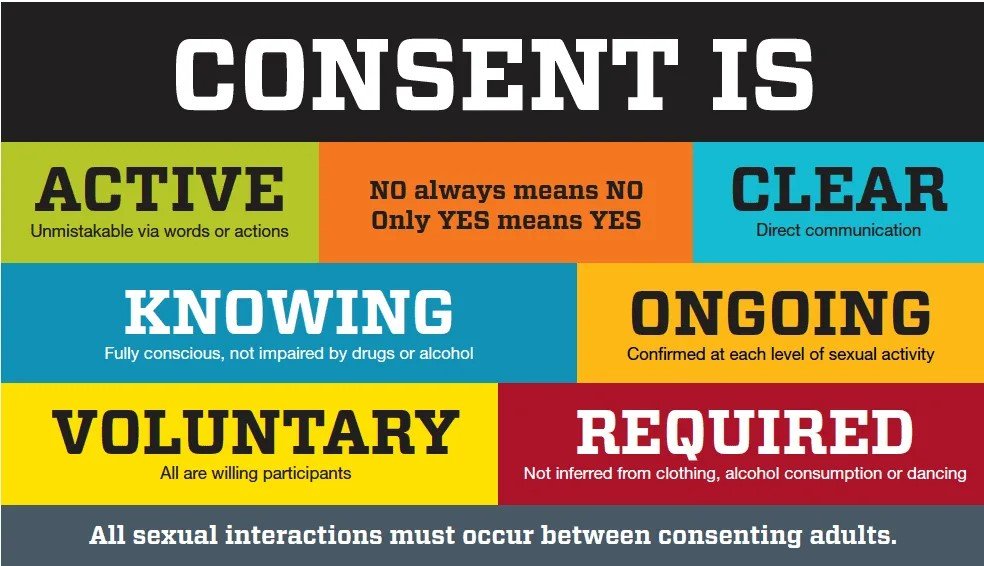
Femdom, short for female dominance, refers to a consensual power dynamic where a woman takes control over a submissive partner, often within the realms of BDSM. This dynamic is characterized by the exchange of power, in which both parties agree to their roles—dominant and submissive—based on trust and mutual consent. The essence of femdom lies in exploring fantasies, desires, and boundaries, all underpinned by the fundamental principle of consent.
Consent in femdom is not merely a formality
Consent in femdom is not merely a formality; it is the cornerstone of any healthy power exchange relationship. It serves as the foundation on which trust and safety are built. Both parties must engage in open, honest communication to establish their limits, desires, and safe words. This ensures that the experiences shared within the dynamic are pleasurable and consensual, fostering a nurturing environment where individuals feel respected and valued.
The importance of consent extends beyond the initial agreement; it is an ongoing dialogue that supports the evolution of the relationship. Situations may change, and desires may shift, making it crucial for partners to check in frequently. This aspect of communication not only reinforces trust but also allows for the exploration of boundaries in a responsible manner. Failure to uphold consent or openly discuss changing dynamics can lead to misunderstandings and may jeopardize the safety and satisfaction of both partners.
consent is not a one-time agreement; it is an ongoing process that requires ongoing communication and connection between partners.
Hence, it is essential for everyone involved in a femdom relationship to approach the practice with a commitment to clear communication and mutual respect. By prioritizing consent, they can engage in healthier and more fulfilling experiences that reflect their shared values and desires.
What is Consent in Femdom?
Consent is a fundamental concept that permeates various aspects of human interactions, particularly within the frameworks of legal, ethical, and social contexts. At its core, consent refers to the voluntary agreement of an individual to participate in a specific action or behavior, encompassing the principles of autonomy and respect for personal boundaries. The essence of consent lies in the capacity of individuals to make informed decisions, which entails understanding the implications of their agreement and the potential consequences that may arise from participation.
In legal terms, consent serves as an essential component in the validation of agreements and contracts. For instance, in the sphere of sexual relations, the law recognizes that both parties must willingly agree to engage in intimate activities, devoid of coercion or manipulation. This legal perspective underscores the significance of informed consent, wherein individuals grasp the nature of their choices and the rights they hold to make such decisions. Ethical discussions surrounding consent further emphasize the importance of transparency and communication, reinforcing the idea that consent should never be assumed or implied but rather explicitly sought.
consent is ongoing—it can be revoked at any time.
Moreover, the social dimension of consent extends to various interpersonal relationships, fostering a culture of mutual respect and understanding. Consent is dynamic and can be revoked at any time, highlighting the necessity for continuous communication between involved parties. This principle is particularly heightened in power exchange dynamics, where the balance of authority and submission necessitates ongoing consent to maintain a safe and respectful environment. Recognizing that consent is not a one-time agreement but rather a fluid process has significant implications for the quality of interactions. By understanding and honoring consent, individuals can ensure that their relationships are built upon a foundation of trust, respect, and understanding.
The Importance of Consent in BDSM
In the realm of BDSM, particularly within femdom relationships, consent serves as a foundational principle that ensures the safety and well-being of all participants involved. Consent goes beyond mere permission; it encompasses a mutual understanding of boundaries, desires, and the limitations agreed upon by partners. This framework is especially critical in power exchange dynamics, where the balance of authority can sometimes lead to heightened vulnerability, making informed consent imperative.
Engaging in BDSM practices inherently involves certain risks—both physical and emotional. These can include potential harm, miscommunication, and psychological impacts. However, the establishment of clear, enthusiastic consent acts as a safety net that empowers participants to navigate these risks. It allows individuals to openly express their preferences, limits, and safe words, which serve as essential tools for communication. In a femdom context, where one partner typically takes on a dominant role, it is crucial for that partner to understand the importance of respecting the submissive partner’s wishes, reinforcing that consent can be revoked at any time.
Furthermore, consent in BDSM is an ongoing process. It is not merely achieved prior to engaging in activities but requires continual check-ins and discussions as the relationship evolves. Ensuring that both parties reaffirm their boundaries and desires can foster trust and enhance the overall experience. When consent is embedded into the practice of BDSM, it creates an environment where individuals feel safe to explore their desires without fear of negative ramifications.
Ultimately, consent stands as the cornerstone of all BDSM interactions, serving to validate the experiences of both dominant and submissive partners. Through an unwavering commitment to clear, informed, and enthusiastic consent, participants can cultivate meaningful relationships rooted in trust and respect, mitigating the inherent risks associated with BDSM activities.
Understanding the SSC Framework
The SSC framework—standing for Safe, Sane, and Consensual—serves as a fundamental guideline for participants in BDSM communities, particularly within the context of femdom. This model emphasizes the importance of establishing a secure and responsible environment for power exchange dynamics.
The first component, “Safe,” indicates that all activities undertaken should prioritize the physical and emotional safety of all parties involved. This involves thorough risk assessment and communication about limits and safe words before any session begins. For example, a femdom practitioner might utilize a safeword that pauses or halts the activities, ensuring both partners can engage without fear of harm. Physical tools, such as bondage gear and impact implements, should be employed with care to prevent injury.
Lastly, “Consensual” underscores the essential nature of agreement among all individuals involved. Consent should be informed, enthusiastic, and reversible at any moment during the session. In the femdom context, this might involve discussing specific desires and boundaries, ensuring all parties have agreed on roles, and revisiting consent periodically throughout the activity. Such open lines of communication foster a sense of trust and comfort, enhancing the overall experience while promoting responsible enjoyment of BDSM practices through the SSC framework.
Exploring the RACK Framework
The RACK framework, or Risk-Aware Consensual Kink, serves as a vital model within the BDSM community, particularly for practitioners who engage in power exchange dynamics like femdom. Unlike the more commonly known SSC, which stands for Safe, Sane, and Consensual, RACK embraces the inherent risks associated with kink activities. This acknowledgment of risk forms the cornerstone of informed consent in BDSM practices. Under the RACK paradigm, individuals actively recognize that engaging in kink might involve physical and emotional vulnerabilities, and they are encouraged to accept and assess these uncertainties.
RACK is an acronym for : Risk aware consensual kink
In the context of femdom, RACK facilitates a more profound connection between dominants and submissives by encouraging open dialogues about the possibilities and consequences of their actions. This communication is integral to establishing trust, as both parties must be fully aware of what risks they are undertaking. Practitioners of kink under the RACK model are urged to engage in thorough discussions regarding boundaries, limits, and safety protocols, ensuring they are well-informed about the nature of their activities.
Moreover, RACK promotes the idea that every interaction should be consensual, highlighting the onus on each participant to remain aware of personal limits and risk factors. This increases the empowerment of individuals, allowing them to take ownership of their choices within the relationship dynamics. Rather than downplaying risks, RACK encourages educated decision-making and an appreciation for the transformative experiences that can arise from embracing them. Through RACK, femdom practitioners can enjoy their power exchange relationships with a sense of agency, respect, and mindfulness, ultimately fostering a richer and more rewarding kink experience.
Consent Negotiation in Femdom
Effective consent negotiation is a crucial component in establishing healthy dynamics within femdom relationships. Engaging in femdom activities requires clear communication and mutual understanding between partners regarding desires, limits, and boundaries. Before entering into any dominative scenarios, both the dominant and submissive partners should engage in thorough discussions to ensure that consent is approached with the utmost seriousness and respect.
To begin the negotiation process, it is essential for both parties to create a safe and non-judgmental environment. Partners should discuss their individual interests and fantasies, as well as any apprehensions they might have. Open-ended questions can facilitate this dialogue, such as “What are your preferences in a femdom scenario?” or “What are your hard limits?”. This openness helps both partners gain insights into each other’s comfort levels and desires. It is also important to discuss safe words or signals that either party can use to pause or terminate activities if necessary.
Consent negotiation does not end with a single conversation. It must be viewed as an ongoing process, where continual check-ins throughout the relationship are essential. After each session, partners should discuss what worked well and what did not, reaffirming consent and respect for each other’s boundaries. This continual reaffirmation helps to build trust and ensures that both parties feel comfortable and secure engaging in femdom activities.
Moreover, it is crucial to recognize that consent can evolve. As individuals’ comfort levels and desires may change over time, regularly revisiting the negotiation process helps both partners adapt and remain aligned in their femdom exchanges. In essence, open and honest dialogue, combined with an ongoing commitment to reassessing consent, forms the backbone of a healthy dynamic in femdom relationships.

The Role of Aftercare in Consent
Aftercare is a critical component in the dynamics of femdom relationships, functioning as a necessary bridge between intense experiences and emotional well-being. Following power exchange interactions, the individuals involved may experience a myriad of emotions, ranging from euphoria to vulnerability. It is during this time that aftercare becomes essential for maintaining the foundational elements of consent and trust. By engaging in aftercare, both parties reinforce the commitment to mutual respect and understanding that underpins their relationship.
The significance of aftercare lies not only in its ability to soothe emotional distress but also in its role in reaffirming consent. Aftercare acts as a reminder that the dominant and submissive have agreed upon their roles and boundaries, ensuring that both participants feel safe and supported after their exchange. This is particularly important in femdom settings, where the power dynamics can lead to high levels of emotional and physical intensity. When aftercare is practiced effectively, it allows both parties to debrief openly, facilitating discussions about what transpired during the experience and how it aligned with their prior discussions of consent.
Examples of aftercare practices may vary widely, depending on the preferences and needs of the individuals involved. Common methods include physical touch, such as cuddling or holding, which can provide a sense of security and warmth. Additionally, verbal affirmation and check-ins can be invaluable, allowing participants to discuss their feelings and clarify any uncertainties that may arise post-experience. Other forms of aftercare might involve providing comfort items, such as favorite snacks or a cozy blanket, to foster a nurturing environment. These practices can help solidify the trust established in the relationship and ensure that both parties feel acknowledged and respected.



Revoking Consent: What to Know
In the realm of femdom, understanding the dynamics of consent is essential, not only at the commencement of the power exchange but throughout the entirety of the relationship. Importantly, consent is not a static agreement; it is dynamic and can be revoked at any given moment. This fundamental principle underscores the necessity for both parties to maintain an open line of communication regarding their boundaries, desires, and comfort levels. The right to withdraw consent is intrinsic to any consensual non-monogamous arrangement and serves to protect the emotional and physical well-being of both the dominant and the submissive partner.
When a submissive partner chooses to revoke their consent, it is pertinent that the dominant partner respects this decision without question. In such cases, the immediate focus should shift towards ensuring the submissive’s safety and emotional health. This respect not only exemplifies the principles of consent but also reinforces the trust inherent in a femdom relationship. The process of withdrawing consent may be influenced by numerous factors, including personal emotional shifts, external stressors, or a reevaluation of priorities. In these instances, acknowledging and respecting these developments can foster a supportive environment that values each individual’s autonomy.
Moreover, it is crucial for both partners to engage in ongoing discussions about their needs and desires, acknowledging that comfort levels may fluctuate over time. Regular check-ins can serve as a strategy to reaffirm consent and foster a mutual understanding of each other’s expectations. While the dynamics of power exchange can be fulfilling, it is essential to emphasize that the emotional and mental health of both partners should always be prioritized. Establishing clear safe words and signals can further facilitate communication and ensure that all parties involved maintain their right to modify or withdraw consent as needed.
Conclusion: Building a Healthy Femdom Dynamic
In any femdom relationship, the concept of consent stands as the fundamental building block necessary for establishing a successful power exchange. The discussions surrounding consent have illustrated its importance, revealing that it is not merely a formality but rather an ongoing dialogue that nurtures trust and respect between partners. This dynamic requires both parties to engage actively in communication, ensuring that they are comfortable with the evolving boundaries that define their interactions.
To foster a healthy femdom relationship, it is crucial for both participants to establish clear and mutually agreed-upon guidelines. By taking the time to discuss preferences, limits, and safety protocols, individuals can create an environment where each partner feels empowered to express their needs. These conversations should be revisited regularly, as desires and boundaries can change over time. Engaging in such dialogues not only strengthens the bond between partners but also reinforces the essential nature of consent as a shared responsibility.
Furthermore, recognizing the significance of aftercare can enhance the overall femdom experience. Aftercare refers to the attentiveness and care given to each other following a scene or activity. It serves as a way to reaffirm the emotional and physical well-being of both parties involved. This practice complements the established trust, ensuring that consent remains in clear focus even after the power exchange has occurred.
Ultimately, fostering a healthy femdom dynamic hinges upon the principles of trust, respect, and consent. By prioritizing these values, practitioners can engage more deeply in their shared experiences, leading to greater satisfaction and fulfillment in their relationship. In conclusion, embracing consent as a foundational element is essential for cultivating a sustainable and enriching femdom partnership.
Subscribe to my channel: / evielupine My Patreon: / evielupine & For 1:1 Chats, Advice & Video Calls: / evielupine2 Twitter: / evielupine Watch me LIVE on Twitch! / evielupine