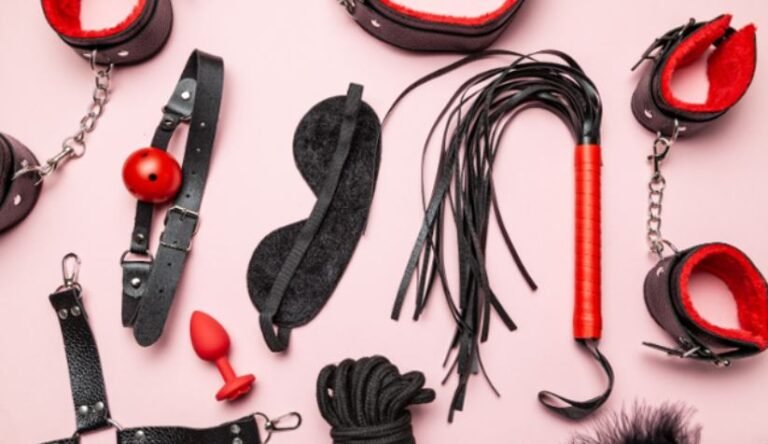

Introduction to Rope Bondage
Rope bondage is a practice that involves the use of ropes to create decorative restraints or intricate patterns around the body. This art form has a rich history, originating from ancient Asian cultures, where it was used for various purposes, including martial arts and theatrical performances. Over the decades, rope bondage has evolved and gained popularity in modern communities, specifically within alternative lifestyles and BDSM practices. Today, it is celebrated not only for its physical restraints but also for its artistic and emotional dimensions.
As one delves into the world of rope bondage, it becomes crucial to understand the various styles and techniques that exist. Different approaches to tying knots cater to various experiences and levels of intimacy between partners. Some of the most well-known styles include Shibari, which emphasizes intricate patterns and aesthetics, and Kinbaku, which focuses on the emotional connection between the participants. Each style serves its unique purpose, and each knot can signify different levels of trust and consent between individuals.
For beginners, grasping the fundamentals of rope bondage is essential. Knowledge of the basic knots, their applications, and appropriate techniques fosters a strong foundation for safe and enjoyable experiences. Understanding the principles of bondage helps individuals navigate the complexities of physical and emotional interactions that rope play often entails. Without these fundamental skills and awareness, practitioners may inadvertently compromise their safety or that of their partners.
As you embark on this journey into the captivating world of rope bondage, it is vital to approach the craft with respect and care. This guide will provide essential insights into knot tying, safety practices, and tips to enrich your bondage play, ensuring a rewarding and enriching experience for all involved.
Essential Tools and Materials for Rope Bondage
Engaging in rope bondage requires a selection of specific tools and materials to ensure both safety and effectiveness during play. Understanding these essentials is vital for beginners interested in exploring this intimate art form responsibly. The first and most important material is the rope itself. Not all ropes are suitable for bondage, so it is crucial to select types that offer both security and comfort. Natural fiber ropes, such as cotton, are popular due to their softness and grip, making them ideal for beginners. Synthetic options like nylon are durable and resistant to wear, albeit they may not provide the same level of comfort. A diameter of around 6 to 8 millimeters is typically recommended, as it offers a good balance between handling and strength.

In terms of length, the required rope length can vary depending on the intended use and the complexity of the ties. For basic bondage such as simple wrist or ankle wraps, a length of 15 to 20 feet may be sufficient. However, if you are interested in more elaborate designs, consider acquiring ropes that are up to 30 feet or more. This allows for creative freedom in your bondage practice.
In addition to rope, there are several accessories that enhance the bondage experience. Safety scissors are crucial, as they provide a quick means of cutting the rope in case of an emergency. It is advisable to have a pair within reach at all times when practicing bondage. Moreover, restraints can complement the use of rope, offering additional options for securing and restraining partners safely. The emphasis on materials and tools not only enhances the overall experience but also ensures that participants engage in bondage play responsibly and safely.
Basic Knot Tying Techniques
Knot tying forms the foundation of safe and effective rope bondage, and mastering basic techniques is essential for beginners. There are several knots that are particularly useful in bondage contexts, providing both security and ease of adjustment. This section will explore two fundamental knots: the square knot and the bowline knot.
The square knot, often referred to as a reef knot, is commonly used to secure two lengths of rope together. It is formed by crossing the right end over the left and then tying a second knot by crossing the left end over the right. This knot is simple to learn and is ideal for connecting ropes during bondage play. It holds well under tension, making it a reliable choice, but it is crucial to ensure that the knot is tied correctly to avoid slippage.
Another essential knot is the bowline, which creates a fixed loop at the end of a rope. This knot is particularly beneficial for bondage applications as the loop can be easily adjusted and is less likely to slip under strain. To tie a bowline, form a small loop in the rope, thread the end through the loop, and then bring it back around and back through the loop, tightening it to form a secure knot. The bowline is advantageous for fast and reliable ties that require a sturdy hold without the risk of easy untangling.
Visual aids can significantly enhance the learning process for these knots. Diagrams showcasing each step can provide clarity and help beginners visualize the techniques. Practicing these basic knot tying techniques will improve dexterity and confidence, laying the groundwork for more complex knots used in rope bondage. CollarNcuffs.com has a wonderful beginners section for ropes and Bondage
Safety Precautions for Rope Bondage
Engaging in rope bondage requires careful consideration of safety precautions to ensure an enjoyable experience for all participants involved. Safety should always be the foremost priority, as improper practices may lead to physical or emotional harm. Clear communication with your partner is essential before diving into any bondage session. Discussing desires, limits, and safe words helps establish trust and a mutual understanding of boundaries. It is vital that both partners feel comfortable and empowered to express their needs throughout the activity.
Understanding your partner’s limits is a critical component of safe bondage play. Each individual has different comfort zones and thresholds for pain, so take the time to establish these parameters ahead of time. This will create a shared agreement that allows for a more enjoyable and secure experience. Remember to periodically check in with your partner during the session, reinforcing that they can express any discomfort at any moment. This open line of communication fosters a safer environment.
Another important aspect of rope bondage safety is monitoring circulation. When ties are applied, it is essential to ensure that circulation is not restricted. Regularly observe your partner’s extremities for any signs of discoloration or swelling, which could indicate that the ropes are too tight. It is advisable to avoid tying any knots or bindings too close to joints, as this can amplify the risk of injury.
Lastly, recognizing signs of distress is crucial in bondage play. Participants should be aware of physical and emotional cues indicating that their partner may be uncomfortable, panicking, or in pain. If any distress signals are observed, it is imperative to release the restraints immediately and provide care to your partner. Incorporating these safety precautions will enhance the experience and ensure that rope bondage practices remain enjoyable and consensual.
Communication and Consent in Bondage Play
Communication and consent are foundational elements in bondage play, ensuring that all parties involved are comfortable and fully aware of the activities they are participating in. Engaging in open discussions with your partner before embarking on a bondage experience is essential. This includes talking about desires, limits, and any concerns that may arise. Establishing a mutual understanding ensures that both partners feel safe and respected throughout the experience.
Setting clear boundaries is a vital part of this dialogue. Each individual should express what they are willing to explore and, equally important, what is off-limits. These boundaries might encompass physical limitations, emotional triggers, or specific techniques that one partner may not wish to engage in. By openly discussing these topics, partners can create a safe space where both feel understood, enhancing the overall experience of intimacy.
In addition to discussing boundaries, it is equally important to implement the use of safe words. Safe words serve as an immediate signal for pausing or stopping the activities, allowing participants to communicate their comfort levels effectively during bondage play. Choosing a word that is easy to remember but unlikely to be used in regular conversation is pivotal. This enables partners to clearly articulate their needs without confusion, ensuring a comfortable and enjoyable experience.
Aftercare is another critical aspect of bondage play that should never be neglected. Aftercare refers to the time spent together following the scene to share feelings, process the experience, and provide physical care such as hydration or cuddling. This reassurance can foster emotional connection and make subsequent bondage sessions safer and more enjoyable. A proper aftercare routine can help stabilize both partners emotionally, reaffirming the importance of communication throughout every stage of bondage play.
Advanced Knots and Techniques for Experienced Practitioners
As practitioners of bondage progress beyond the foundational skills, their exploration can lead them to advanced knots and techniques that not only enhance the aesthetic appeal of their bondage work but also improve the functionality and safety of their ties. Among the repertoire of advanced knots, the double column tie and the corset tie stand out due to their versatility and effectiveness. Mastery of these knots can significantly elevate the bondage experience.
The double column tie is a fundamental technique used to securely bind two body parts together, such as wrists or ankles.
To perform this knot, start with a length of rope and create a loop around both columns, tightening it as necessary. Following this initial wrap, you should cross the rope over itself and wrap around again to form a secure structure. A critical aspect of this knot is ensuring that it is neither too tight nor too loose, as comfort and safety are paramount in bondage practice. This knot can be easily adjusted to enhance the control one might wish to exert during play.
Another captivating option is the corset tie. This technique is particularly popular for chest or waist bindings, as it creates a visually appealing crisscross pattern. To execute a corset tie, begin by securing the base of the area to be bound. From there, weave the rope in an alternating manner, creating loops that can be adjusted to the desired tightness. This knot not only looks stunning but also allows for quick release, which is essential in maintaining safety during bondage play. Furthermore, practitioners can customize the patterns and complexity based on their preferences and the needs of their partner.
As with any bondage techniques, communication between partners is key, as safety and informed consent should remain the top priorities. By practicing these advanced knots, experienced practitioners can deepen their skills and explore new dimensions of trust and creativity within their bondage activities
My personal Choices
favorite website The Dutchie if bondage is rocking your world and its help you want. They have the resources to do so. They have a wonderful FREE section that is extensive and even comes with FREE downloads if you learn better from paper. Once you’ve finished with the free section, the pay to use section is WELL worth the effort with three different levels for learning. Instructions are clear and concise.
favorite book: the two knotty boys (INCLUDED IN AMAZON LINKS)
Incorporating Bondage into Your Play
Incorporating bondage into your play sessions can add a layer of excitement and intimacy, elevating the overall experience for both partners. There are numerous creative ways to integrate bondage with other forms of BDSM, allowing for a multifaceted exploration of desires and boundaries. The key to successful bondage play lies in effective communication, consent, and safety, ensuring a pleasurable experience for both parties involved.
One popular approach is to combine bondage with sensory deprivation or stimulation. For instance, using a blindfold while restraining your partner can heighten anticipation and build suspense. The uncertainty of what will happen next can intensify their physical and emotional reactions, enhancing arousal. Incorporating items such as feather ticklers, ice cubes, or warmth from a flogger can also provide contrasting sensations that introduce an exciting dynamic to bondage play.
Another method is to create engaging scenarios or role-play situations. This could involve reenacting a classic power exchange dynamic, such as a teacher-student or doctor-patient scenario, where bondage is utilized to embody dominance and submission. These crafted narratives can provide a context for exploring desires while making the experience more immersive and enjoyable.
Setting the mood is essential for any bondage experience. Creating a comfortable, safe, and aesthetically pleasing environment can enhance the connection between partners. Dim lighting, soft music, and the absence of distractions can help create an intimate atmosphere. Additionally, incorporating props such as ropes, cuffs, or harnesses that match the theme or vibe of the session can contribute to the overall aesthetic and enjoyment.
Ultimately, experimenting with various forms of bondage and integrating them into your play sessions allows for continuous discovery and growth within the realm of BDSM. Each experience can bring newfound insights into preferences, comfort levels, and boundaries, solidifying the importance of open dialogue in cultivating a deeper bond with your partner.
Common Mistakes to Avoid in Rope Bondage
Rope bondage can be an exhilarating and intimate experience, but beginners often face several common pitfalls that can lead to unsafe or unenjoyable situations. One of the most significant mistakes is the choice of knots. Beginners may opt for complex knots without fully understanding their structure or function. This can result in difficulty releasing the knots quickly in case of an emergency. It is advisable for novices to start with simple, well-known knots that provide security while being easy to untie under pressure. Additionally, experimenting with various types of knots is important, as some are designed for specific applications, while others may restrict movement excessively.
Another critical area where beginners frequently experience difficulty is safety. A common lapse in judgment is failing to examine the rope and bondage techniques thoroughly before actual use. Inspecting the rope for frays or weaknesses, ensuring that it is suitable for bondage, and using appropriate thickness and material is crucial to prevent potential injuries. Moreover, beginners may overlook critical aspects of circulation and nerve function. It is essential to check the tightness of the knots regularly and to maintain clear communication with the bound partner about their comfort levels.
Miscommunication can also lead to unintentional distress. Beginners might neglect to have extensive discussions about limits, safe words, and preferences beforehand. Establishing these parameters is essential for ensuring that both partners are on the same page regarding boundaries and expectations. Taking the time to discuss intentions and comfort zones can significantly enhance the experience and build trust. By avoiding these frequent mistakes, beginners can significantly improve their journey into rope bondage and create a safer and more enjoyable environment for all parties involved.
Resources for Further Learning
As you delve deeper into the world of rope bondage and seek to expand your knowledge, there are numerous resources available that can facilitate your learning process. Books, online courses, youtube and community groups offer varied perspectives and insights, allowing individuals to enhance their skills safely and responsibly.
One highly recommended resource is the book “The New Topping Book” by Dossie Easton and Janet W. Hardy, which provides a comprehensive overview of bondage techniques and safety precautions. This book, along with others like “The Seductive Art of Japanese Bondage” by Midori or my personal fave Two Knotty boys, showing you the ropes (with Midori on the cover art), emphasizes the importance of understanding the emotional and psychological aspects of bondage, in addition to the technical skills required.




In the realm of online learning, platforms such as FetLife and collarNcuffs.com offer a plethora of instructional videos and articles covering various bondage techniques and safety tips. These online communities not only serve as educational resources but also foster connections with like-minded individuals who are on similar journeys in bondage play. Engaging with these platforms will enhance your understanding and provide opportunities for discussion and support.
Furthermore, attending workshops and classes can provide hands-on experience under the guidance of seasoned practitioners. Organizations like the Rope Dojo and NYC Rope or Temple works offer classes designed for beginners, where you can practice in a safe and supervised environment. Participating in these workshops allows for the practical application of learned techniques and fosters an understanding of safety protocols.
Community groups, both online and offline, are invaluable for continuous education in rope bondage. Joining local meetups or online forums can provide support, share experiences, and exchange tips on rope bondage. Engaging with a community not only enriches your knowledge but also helps build relationships with those who share your passion for bondage play.