Introduction to BDSM and Femdom Dynamics
Punishments vs Funishments what is the difference?

BDSM, an acronym for Bondage, Discipline, Dominance, Submission, Sadism, and Masochism, encompasses a wide range of practices and lifestyles that explore the dynamics of power exchange between partners. Central to the BDSM experience is the understanding that all activities must be consensual and negotiated prior to engagement, ensuring the physical and emotional safety of all parties involved. Communication plays a vital role in establishing boundaries, limits, and safe words, serving as essential tools that facilitate a mutually enjoyable exploration of desires.
Femdom, short for female dominance, represents one specific aspect of BDSM in which a woman takes on the dominant role while her partner assumes the submissive position. Within this dynamic, the dominant partner exerts control and authority, guiding the submissive partner in a variety of ways that may include physical restraint, psychological manipulation, or sensory stimulation. This power exchange not only enhances arousal for both partners but also fosters a sense of trust and intimacy that is paramount in the BDSM community.
Two essential components within the femdom framework are punishments and funishments. Punishments are typically employed as a corrective measure for behavior that falls outside of previously agreed-upon boundaries, while funishments incorporate playful elements and are intended to enhance enjoyment rather than instill discomfort or regret. Understanding these distinctions is crucial for couples who are navigating their respective roles, as it affects the nature of their interactions and the fulfillment of their desires. As the BDSM and femdom practices continue to evolve, the significance of consent, communication, and mutual respect remains unchanged, which enables partners to explore their boundaries safely and enjoyably.



Defining Punishments in Femdom Relationships
Within the context of BDSM, particularly in Femdom dynamics, the term “punishment” holds a specific significance. In a femdom relationship, punishments are typically employed as a disciplinary tool, designed to correct behavior or reinforce the established protocols between the dominant female figure and her submissive partner. This disciplinary action is not inherently negative; rather, it serves as a structured method to enhance the overall dynamic, ensuring that both parties remain aware of their roles and responsibilities.
The purpose of punishment in a BDSM context largely revolves around fostering a deeper connection between partners. It is important to recognize that, unlike traditional forms of punishment, those used in Femdom relationships are predicated upon consent and pre-established boundaries. Both partners must engage in open communication to ensure that the submissive understands the expectations and the nature of the punishment being administered. This understanding enriches the experience and minimizes the risk of psychological harm.
Common forms of punishment in Femdom can range from physical techniques such as spanking, to more psychological approaches like verbal reprimands or time-outs. Notably, these practices are often accompanied by discussions of emotions and desires, further cementing the bond between the dominant and submissive. The emotional and psychological effects on the submissive can vary widely, often providing a sense of clarity, ownership of their behavior, and sometimes even an invigorating sense of pleasure derived from the dynamic of control.
Categories of BDSM Punishments
Femdom punishments can be broadly categorized into several distinct types, each serving different dynamics and preferences within the practice. Understanding these categories is crucial for both dominants and submissives in defining boundaries and exploring their desires.
One prominent category is sexual punishments, which may involve restricted sexual activity or denial, creating intense psychological arousal and frustration. For example, a submissive may be prohibited from achieving orgasm, enhancing their submission experience.
Humiliation punishments are another prevalent type, focusing on the psychological element of BDSM. These may include degrading verbal commands or forced exposure to embarrassing situations, amplifying the submissive’s feelings of vulnerability.
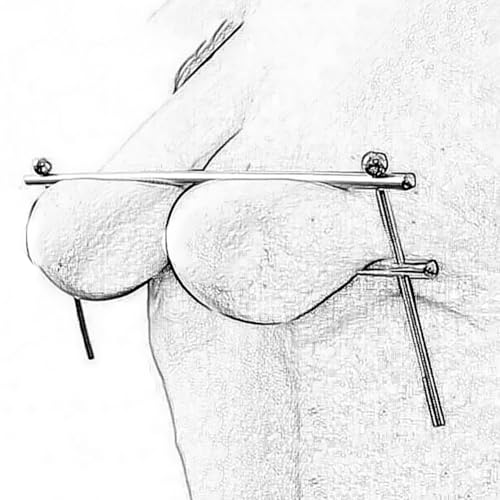
Painful punishments involve physical discomfort, commonly using tools such as paddles, whips, or clamps. The line between pleasure and pain is pivotal in these scenarios, as experienced participants often find a thrill in navigating this boundary. Pain punishments can also be situational like holding a hard hold pose causing muscle pain.
Light punishments offer a more playful approach, incorporating playful spanking or teasing. These are ideal for beginners or those seeking to incorporate a sense of fun into their dynamics without significant discomfort.
Verbal punishments utilize the power of language, including scolding or praise, enabling a dominator to exert control and influence the submissive’s mindset. The impact of words in BDSM cannot be overstated, as they can establish deep emotional connections.
Physical punishments involve various forms of restraint or impact play, while emotional and mental punishments provoke introspection or challenge a submissive’s sense of self-worth. These forms can be particularly intense, requiring strong trust between partners.
Funishments are often light-hearted and playful, designed to enforce rules in a non-serious manner, whereas boring punishments may involve tedious tasks that test the submissive’s patience and obedience. Finally, online or remote punishments leverage technology to maintain power dynamics, allowing for engagement through various digital platforms.
Exploring these categories helps both dominants and submissives understand their preferences, enabling more focused and fulfilling experiences within the diverse realm of BDSM dynamics.
Choosing the Right Type of Punishment
Choosing the appropriate type of punishment within BDSM dynamics requires careful consideration of the submissive’s preferences, limits, and the context surrounding the relationship. Each individual responds differently to various forms of punishment, making it essential for dominants to engage in open communication with their submissive partners before implementing any disciplinary measures. Understanding their emotional and physical boundaries is crucial for maintaining a safe and consensual environment.
One effective method to gauge how a submissive may respond to different forms of punishment is to engage in a conversation regarding their past experiences, likes, and dislikes. This dialogue should explore their thresholds for pain and discomfort and ensure that both parties are clear on the established limits. Preference plays a significant role; some submissives may respond well to physical punishments such as spanking or bondage, while others might find more psychological approaches, such as humiliation or time-outs, to be more impactful.
Aftercare also plays a pivotal role in the punishment process. It is vital for dominants to ensure that aftercare is provided post-punishment to help the submissive recover and feel secure. This can include physical comforts such as cuddling or providing warm beverages, as well as emotional support through affirmation and reassurance. Dominants should remain attuned to their submissive’s emotional state throughout this experience, adjusting their approach based on the reactions observed.
Negotiating the terms of punishment beforehand is another crucial factor. By discussing and agreeing on specific types of punishment, including duration and limits, both parties can ensure that they feel safe and respected during the process. Tailoring punishments to the individual not only enhances effectiveness but also enriches the overall BDSM experience, fostering deeper connections and satisfaction in the dynamic. Balancing discipline with empathy will facilitate a more rewarding journey for both dominants and submissives.
To implement punishments effectively and safely, best practices should always be adhered to. These include establishing safe words and a non verbal safe word , regularly communicating feelings, and reassessing the agreed-upon limits. Ultimately, the framework of punishment in a Femdom relationship should reinforce trust and nurture the consensual nature of the interaction, ensuring that the relationship remains fulfilling for both partners.
Creating a Personalized List of Submissive Punishments
In a Dominant-submissive (D/s) relationship, establishing clear expectations and boundaries is paramount. One effective method for this is by having your submissive create a list of potential punishments they deem appropriate. This list, ranked from mild to severe, can serve as a helpful guideline when behavioral corrections are necessary.
Creating the List Together
Encourage your submissive to thoughtfully consider what types of punishments resonate with them. This not only empowers them but also fosters open communication regarding disciplinary actions. Once the list is formed, it’s crucial for both partners to sign it, or add them to your BDSM contract that solidifies the understanding of consequences for misbehavior. Establishing this accountability helps ensure that both the Dominant and submissive are on the same page regarding expectations.
Consent and Communication Are Key
Before enacting any punishment, always confirm consent with your submissive. When dealing with more severe forms of discipline—such as those that may be painful, humiliating, or sexual—it’s essential to ensure that your submissive is fully on board. This practice of checking in not only respects their limits but also reinforces the trust between partners. Consent is paramount
Lastly, remind your submissive of the reasons behind the punishment. Clear communication about the behaviors that led to disciplinary measures helps them learn and grow. Consider integrating a submissive training program to clarify expectations, allowing for a supportive learning environment. If misbehavior persists, then it may be time to apply the predetermined punishments from the list, ensuring that both partners are committed to the growth of the relationship.
Understanding Funishments: A Lighter Approach
In the realm of BDSM, particularly within femdom dynamics, the term “funishments” refers to an approach that juxtaposes the traditional notion of punishment with a more playful and enjoyable method of discipline. Unlike conventional punishments, which can often carry negative connotations and evoke feelings of shame or remorse, funishments are designed to be lighthearted and consensual, promoting a sense of fun and intimacy between partners.
Funishments can take many forms, and their implementation involves a mutual understanding that they are not meant to harm, but rather to enhance the experience of dominance and submission. For instance, a dominant partner might choose to incorporate playful activities such as feather tickling, playful spankings, or even silly games as a form of funishment. These activities allow for discipline without crossing into the realm of discomfort or distress, fostering a safe and trusting environment.
This playful approach can significantly strengthen the bond between partners. By establishing funishments as a light-hearted method of discipline, individuals in the femdom dynamic can encourage open communication and negotiation. These playful interactions create opportunities for laughter and connection, which are essential components of a healthy BDSM relationship. As trust deepens, partners are likely to feel more secure in expressing their desires and boundaries, ultimately enriching their overall experience.
Integrating funishments into a femdom framework not only maintains balance within the relationship but also ensures that the experiences remain enjoyable for both partners. By focusing on creative and consensual ways to foster discipline, funishments enhance the playful dynamics that underpin BDSM partnerships, allowing for growth, understanding, and enjoyment in the relationship.
Key Differences and Integration of Both Methods
In the realm of BDSM, particularly in femdom dynamics, understanding the distinctions between punishments and funishments is vital. While both serve to enhance the experience of power exchange, they embody different philosophies and objectives. Punishments are typically corrective measures employed in response to perceived misbehavior or failure to meet established expectations. Their primary function is to instill discipline and to reinforce the dynamic between the dominant and submissive partner. Common forms of punishment may include spanking, corner time, or restriction of privileges, all aimed at emphasizing accountability within the relationship.
On the other hand, funishments are designed to be enjoyable for both partners, even if they incorporate elements of discipline. The key difference lies in their approach—funishments often exist to stimulate playfulness while still allowing for a semblance of discipline. Options for funishments can include playful role-play scenarios, sensory play, or teasing, all intended to create a balance between pleasure and discipline. This distinction is crucial for partners to navigate the intricacies of their relationship effectively.
In integrating both forms of discipline, partners should engage in open communication and negotiation concerning their boundaries, preferences, and desires. Establishing clear expectations around what constitutes a punishment versus a funishment can significantly enhance trust and emotional safety in the dynamic. This dialog should involve discussing safe words, limits, and any emotional triggers that may be present. A thoughtful approach to blending punishments and funishments ensures that both partners experience satisfaction and fulfillment.
Ultimately, recognizing the unique characteristics of punishments and funishments leads to a more enriched BDSM experience. By fostering an environment of mutual respect and understanding, partners can explore the full spectrum of their dynamic, promoting a healthier and more consensual partnership in the world of femdom.